

Public servants work in research labs, local riverbeds and data laboratories where they test the boundaries of discovery to improve our lives and safeguard our health and environment.
Last year, we saw a complete unraveling of public science, with critical research and public health functions abandoned and thousands of federal civil servants involved in scientific endeavors pushed out the door. Many of those who have left government in 2025 are continuing to speak out about the importance of the government’s role in science, public health and the environment.
As we approach Public Service Recognition Week from May 3 to 9, we honor those who are still in government serving the public interest along with those who have left federal service but are strongly advocating for restoring what has been lost.
Speaking out to protect medical research
Jenna Norton, health equity scientist and former NIH program officer (speaking in her personal capacity)
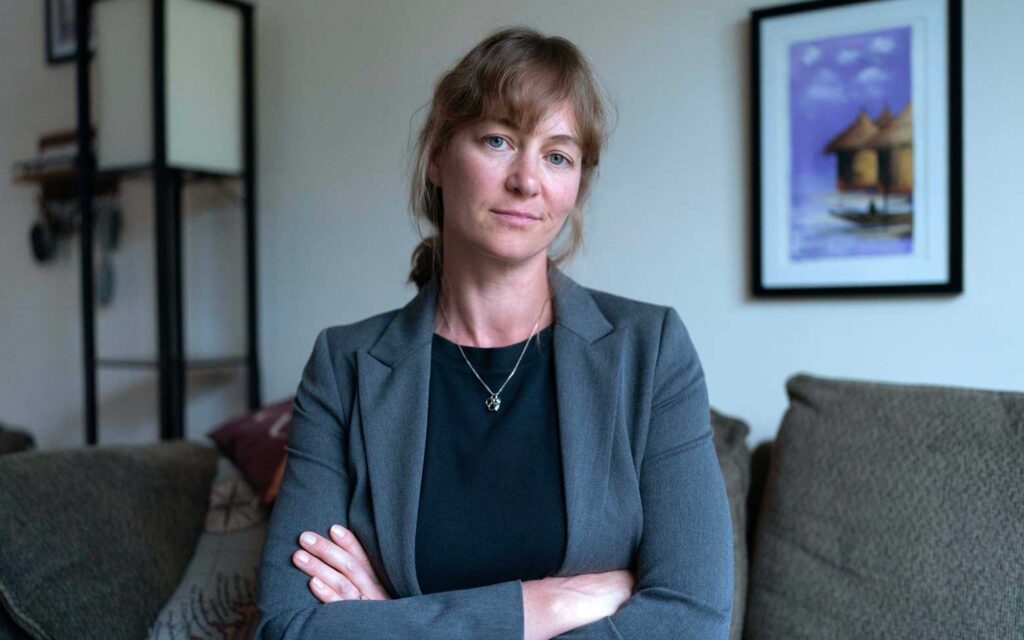
Jenna oversaw research at the National Institutes of Health that improved health outcomes for people living with chronic disease, such as cancer and kidney disease. She was curious how factors like access to nutritious food or quality health care impact disease risk and was working to ensure more Americans can benefit from new discoveries and treatments—not a wealthy few. It was other civil servants who inspired her to join their ranks along with an instilled “empathy for the underdog” thanks to her mom. Her three kids drive her to model for them what it means to serve the public good and when to act when they see something wrong.
Jenna has been on administrative leave since November 2025. Since then, she has been actively calling attention to the dismantling of the NIH and the harms taking place. She sees the possibility of our country meeting people’s basic needs and advancing science that truly serves all Americans. She encourages us to choose hope. “Create [hope] through community. [Build] hope through action in whatever ways we can: letter by letter, rally by rally, conversation by conversation, action by action. Together, we are creating the change we need to see. And every day, our ranks grow.”
Rooted in protecting public health
Abby Tighe, public health adviser, Centers for Disease Control and Prevention
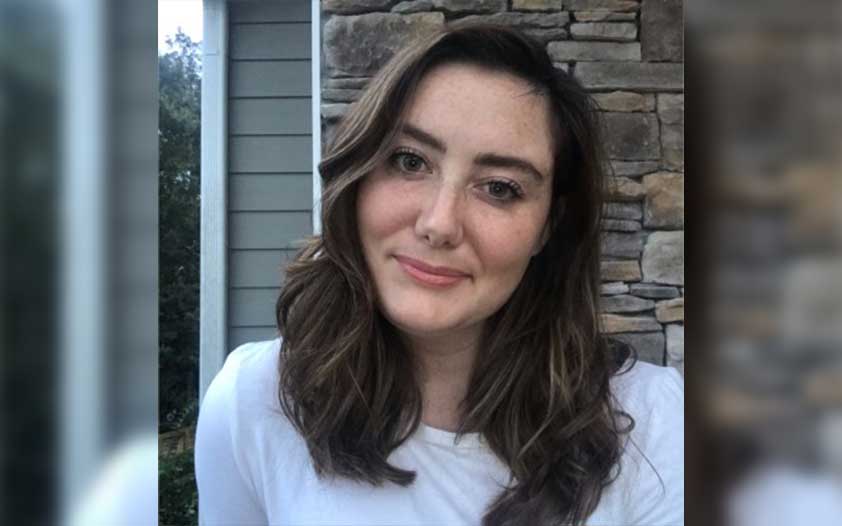
Abby was a public health adviser at the Centers for Disease Control and Prevention. She landed her dream job, working to prevent overdoses among young people. She was proud to help people in underrepresented communities like those in Appalachia where she grew up. In early 2025, Abby lost her job when CDC reduced its workforce by one-third.
But that didn’t stop Abby from continuing to protect Americans from public health threats. She and a few colleagues formed the National Public Health Coalition to fulfill the work they started at the CDC. In the past year, NPHC has elevated the harms of health projects being erased from Alzheimer’s research to childhood lead poisoning to members of Congress and the public.
Abby hopes NPHC will be part of a national effort to rebuild a trusted public health system—and encourages all of us to take part in efforts to support and care for public health heroes who keep the lights on and share essential health information. “It is always harder to build something than it is to tear it down,” Abby said. “We and future Americans deserve a system that simultaneously meets people’s health needs and sets up our country for long-term fair success.”
A sustainable way to preserve forests
Robert J. McGaughey, research forester (retired), U.S. Forest Service, Department of Agriculture
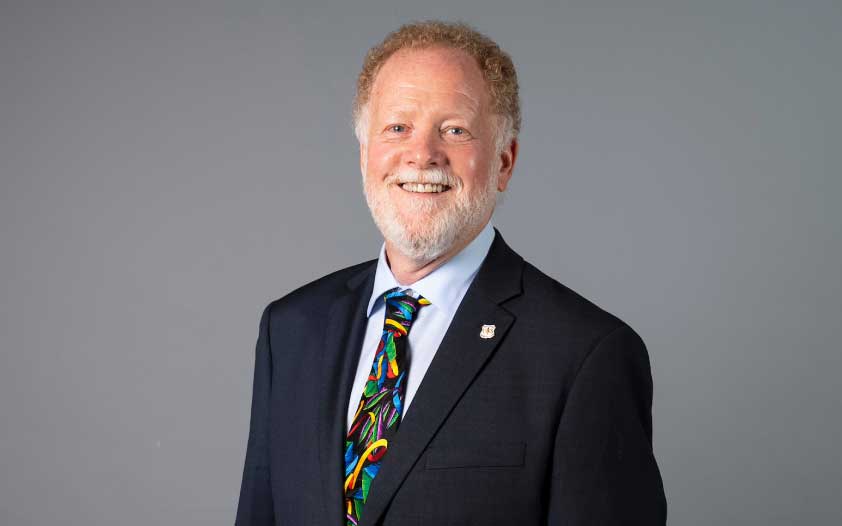
Robert “Bob” McGaughey retired from the U.S. Forest Service in 2025 after four decades of service, leaving behind a legacy that helps us better preserve forests. He developed techniques to use data from aircraft sensors that describe tree and plant density and height across very large areas, which forest managers can use to predict forest fires and better manage forests.
Bob helped make the Forest Service more effective in safeguarding our natural resources and he shared his research with the world. Today, his FUSION software is used by global researchers, university professors and private industries involved in protecting wildlife habitats, ensuring water quality and planning sustainable timber harvests. McGaughey’s contributions have enabled more precise and informed stewardship of natural resources that will leave a lasting impact on forest science and our planet for generations to come.
Bob said we need sustained government research capacity to be effective in preserving forest lands and addressing environmental issues. “There are new forestry problems that require new research to solve,” he said and looks to new scientists to take on new problems.
Thank you, public servants
The dedication of these individuals reflect the work and spirit of public servants across federal, state, and local governments who protect our health, advance biomedical research, make scientific discoveries and preserve our environment. The effects of their work ripple across every community for the better—and all of us win because of it.
This Public Service Recognition Week, take a moment to thank a public servant in your community. Share this blog. Share why you support public servants and why their work matters.