

User Profiles
-

Samantha Supervisor
Samantha was promoted into managerial roles because she succeeded at technical projects and developed subject-matter expertise. She is now responsible both for supervising individual direct reports and leading project teams to complete work. Samantha wants to be a good leader and help her team and its members achieve their collective and individual goals. However, she lacks managerial training and has little time to devote to her supervisory responsibilities because they often take a back seat to other project demands.
-

Ethan Employee
Ethan enjoys his daily work and wants to serve the public, but he sometimes feels disconnected from, and uncertain about, how his work feeds into his agency’s larger mission. He values opportunities for growth, mentorship and career advancement, but his senior colleagues do not always help him meet these goals, and he is not sure how to change this dynamic.
-

Henry Human Resources
Henry enjoys his role as a problem solver for his team and likes to make sure all the trains run on time. He knows how the ins and outs of his agency’s human capital system and strives to help teams understand how it works. He can get frustrated when asked to answer questions from front-line employees without context or when he is brought in to address long-brewing conflicts that have escalated into major situations. But he feels satisfied when he facilitates smooth operations
What have we learned so far from our journey maps?
Planning stage
Duration: one to two months
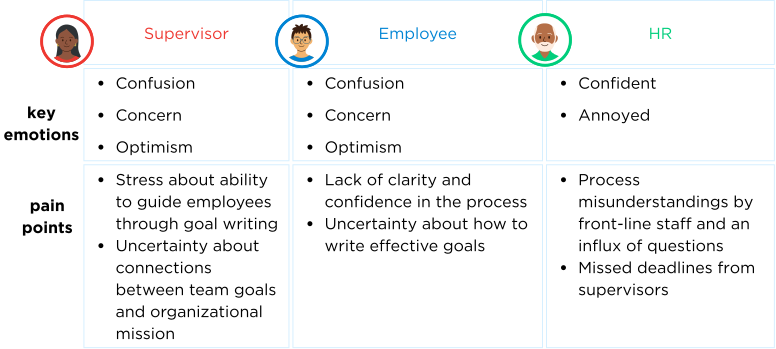
The annual performance management journey kicks off each year with goal setting. Supervisors should work with their direct reports to write actionable goals and ensure that team goals feed into the organization’s mission objectives.

Monitoring stage
Duration: seven to 10 months
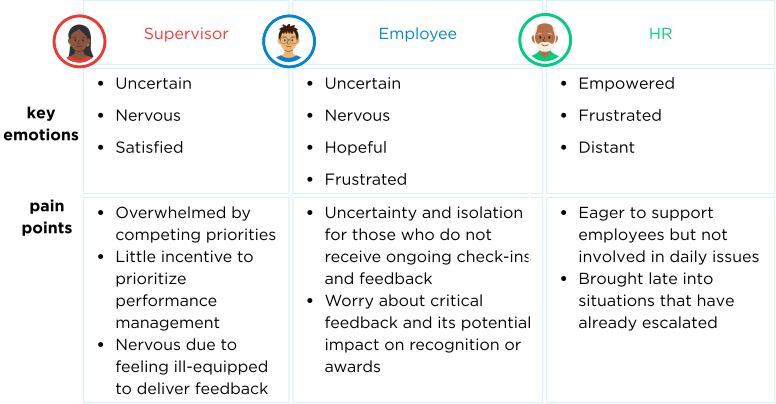
Throughout the year, supervisors and employees should maintain an ongoing conversation about the employee’s performance and progress through regular check-ins and discussions. At minimum, supervisors and employees should meet at midyear to informally touch base about the employee’s goal progress and share feedback. Supervisors and employees should modify goals as needed.
Rating stage
Duration: one to two months
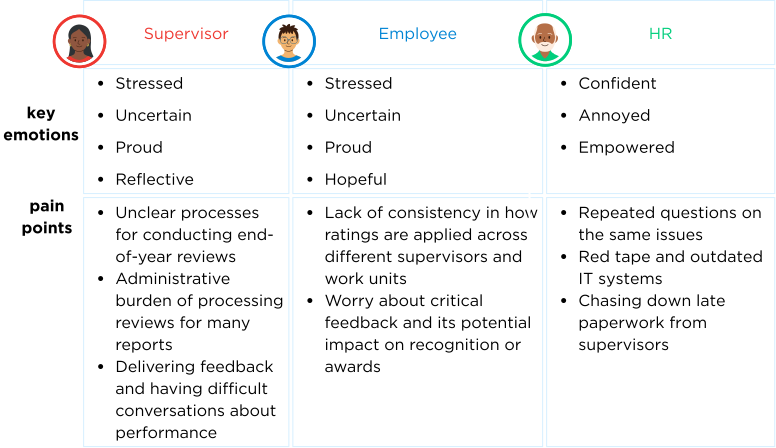
Toward the end of the year, supervisors must rate and review their direct reports. Exact structures vary, but employees will generally be scored numerically on whether they met, exceeded or fell short of annual goals. Supervisors may request self-evaluations from employees to support this process.

Rewarding stage
Duration: one to two months
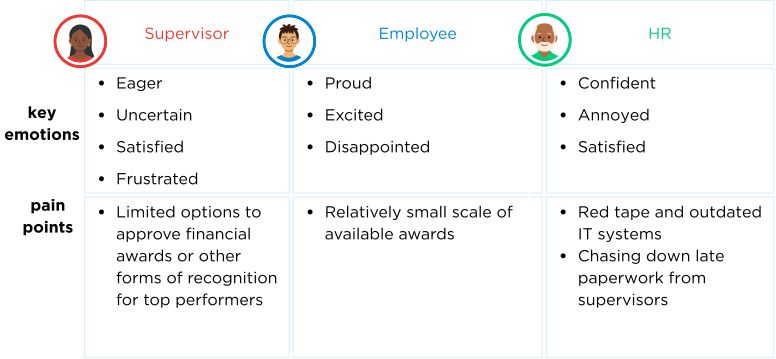
Once ratings are calibrated across units and officially recorded, leadership and HR calibrate the awards available for employees and distribute them to staff.

Conclusion
The annual performance management cycle in the federal government can be frustrating and cumbersome for all involved. A few key causes of this frustration appear throughout employees’ journeys:

Unclear purpose of the system:
- Uncertainty on how to align individual goals with organizational priorities and how to adjust those goals as circumstances change throughout the year
- Lack of focus on employee growth and development, leading employees to view performance management not as a learning opportunity, but as a process to be dreaded*

People without sufficient capacity:
- Supervisors lack the bandwidth to fully support and manage individual employees due to having multiple direct reports or competing work priorities
- Training does not effectively prepare supervisors to deliver meaningful feedback, particularly when it is negative or critical
- HR is clear on process and compliance rules but lacks the resources and clearly delegated authority to constructively help supervisors with performance management challenges

Burdensome and opaque processes:
- Excessive administrative burden, especially during planning and reviewing, due to red tape and outdated technology
- Fear of the consequences of missteps or accidental noncompliance with numerous regulations from agencies and unions discourages supervisors from addressing legitimate problems, allowing underperformance to continue
The federal performance management system is trying to do too many things at once and doing none of them well. Is performance management a tool to ensure employees meet baseline job expectations? Is it meant to align employee goals to organizational priorities? Is its primary aim to develop employee skills to fulfill organizational needs? All these goals are worth pursuing, but designing a single performance management system to achieve all of them simultaneously is an impossible ask.
Performance management in government needs holistic reform that begins with a clear and widely understood definition of its purpose. Tweaking around the edges to change the way that poor performers are removed or ratings are distributed are band-aid solutions that will not fix an overly complex system.
Over the coming months, we will work with practitioners and experts to propose reforms that span statutory, regulatory, practice-based and cultural changes. Our proposals will focus on meaningful changes that address root causes rather than creating more work-arounds.
*Due to the lack of current focus on employee development in the performance management process, we did not include it as a phase in the journey map visualization.