

Changes in Science-Related Jobs
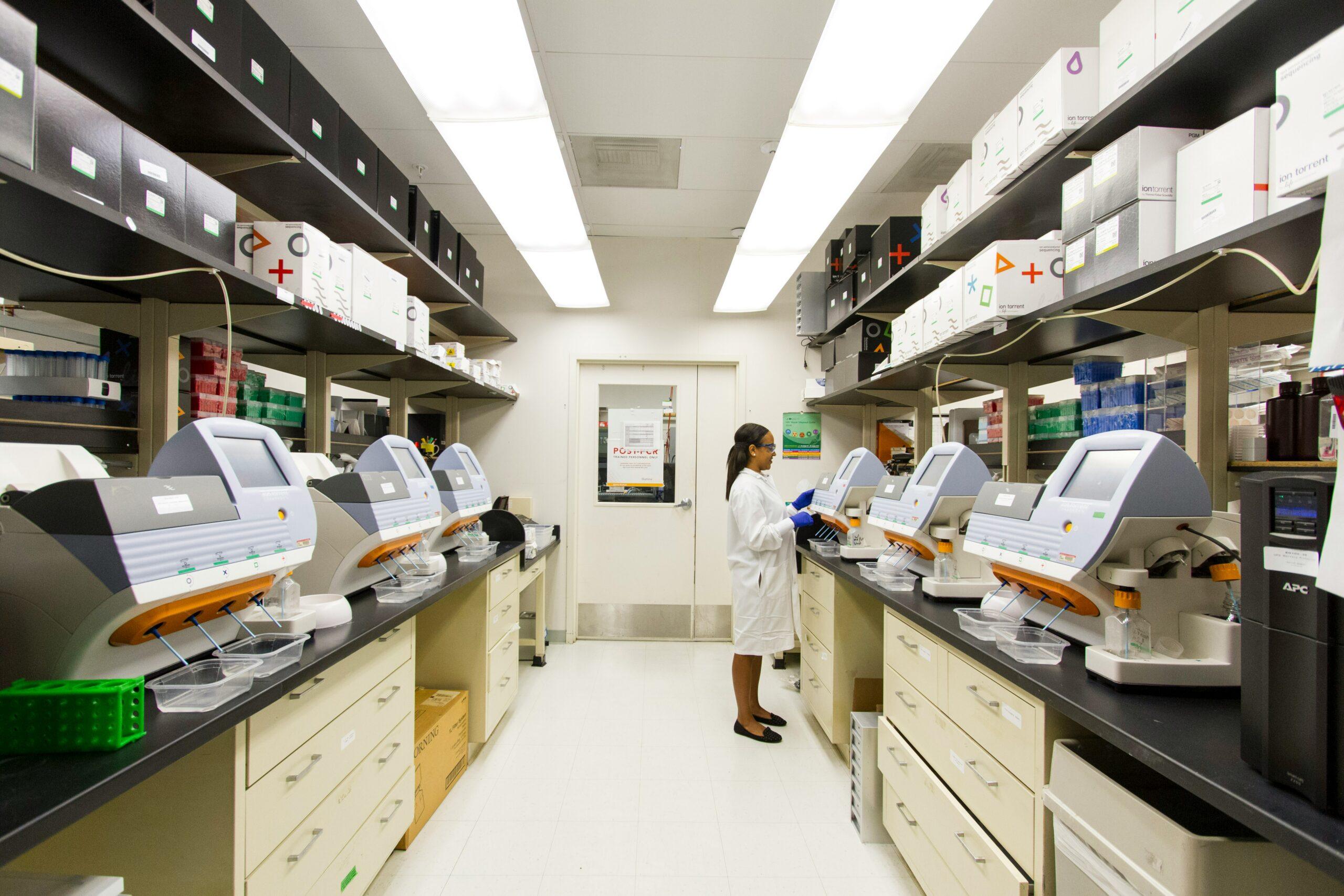
The federal scientific enterprise and federal funding for science are linked to a wide variety of jobs inside and outside of the government. This includes federal positions in research and research support, as well as similar roles with non-federal employers benefiting from government scientific investment: state and local governments, universities and private businesses.
Funding from the National Institutes of Health alone supported more than 390,000 jobs at universities, research institutions and companies across all 50 states in 2025. The types of opportunities created by federal science funding are not just limited to research roles. A wide variety of jobs, from equipment suppliers to retail workers, are supported by research funding or the spending of those employed in research.
Federal Government

The shrinking of the federal workforce has resulted in the loss of thousands of science-focused federal jobs, from National Weather Service meteorologists to Department of Agriculture food inspectors, as well as workers in functions such as HR and IT who help ensure science agencies are equipped to achieve their missions.
By August 2026, federal science agencies had 113,136 fewer employees compared to September 2024 before the start of the current administration. This represents a 13.4% decrease in the federal science workforce. Science agency employees also accounted for 39.2% of the total federal workforce decrease during this period, a significant proportion of the hundreds of thousands of federal jobs lost.
While the federal workforce overall decreased by 12.5% between September 2024 and August 2026, most scientific agencies experienced much larger declines. The Food and Drug Administration, for instance, lost nearly 5,000 employees, a 22.1% decrease. Agencies such as the Centers for Disease Control and Prevention, the Environmental Protection Agency and the Veterans Health Administration also lost thousands of employees.
More than 85% of federal employees work outside of the Washington, D.C. area, and these scientific job losses have been similarly distributed around the country.
Between September 2024 and August 2026, every state experienced a decrease in its federal scientific workforce. States with large proportions of federal employees, such as California, Texas, Georgia and Florida each experienced decreases of thousands of federal science employees. The federal science workforce in several Western states, including Alaska, Montana, Utah and Idaho, decreased by more than 25%.
The haphazard reduction of the federal workforce has left fewer employees to achieve agency missions. Across science agencies, this includes fewer staff available to conduct weather balloon launches integral to forecasting, fewer federal food inspectors to ensure the safety of our food supply and a reduced Department of Agriculture workforce to provide services that farmers and ranchers rely on.
Outside the Federal Government

Overall project grant funding from federal science agencies decreased by 56% in 2026 compared to 2024, with thousands of scientific grants facing interruptions or cancellations. Research and development contract funding from science agencies also decreased 23% over the same period. These federal funding changes are impacting science-related jobs at other levels of government and in other sectors.
State and local health departments, for example, receive federal funding to support their public health work in local communities. In some localities around the country, grant funding changes by the Department of Health and Human Services have resulted in layoffs. In Tarrant County, Texas, home to Fort Worth, more than 60 county public health employees were laid off in April 2025 after federal grant cuts. Columbus, Ohio, similarly laid off nine disease intervention specialists, leaving the city’s health department with just a quarter of its previous disease tracing capacity. State governments in North Carolina and Utah also laid off employees in response to federal funding cuts.
Universities, which are often hubs of scientific research, also have experienced job changes due to federal shifts. Institutions such as Duke University in North Carolina and Johns Hopkins University in Maryland have announced layoffs and other staff reductions explicitly linked to changes in federal funding. In an early 2026 survey conducted by STAT News of nearly 1,000 NIH-funded researchers, many at universities, 28% of respondents said that they had laid off staff as a result of NIH funding changes. In addition, 22% said they had rescinded job offers and 58% had delayed hiring processes in response to federal funding changes.
The private sector also has experienced job losses following federal cuts to science. At the national level, jobs in Scientific Research and Development Services declined by 2.3% in 2025, according to data from the Bureau of Labor Statistics. However, this decrease may not be the result of federal cuts alone. Additionally, it is likely that the full impact of the federal science disruptions on employment will take time to appear in the data.
More conclusively, disruptions to federal science programs have directly harmed at least some private sector employers. Pullbacks in scientific equipment purchases resulting from the cuts led to total or partial revenue declines for at least five American lab equipment manufacturers in Q1 2025 compared to Q1 2024. Science-related non- and for-profit companies nationwide have also reported hiring freezes, layoffs and closures due to funding losses. Impacted firms operate across a wide variety of focus areas, including green energy and climate technology, agricultural sustainability, wildlife tracking and biopharmaceutical research.
Impact on the Science Jobs Pipeline
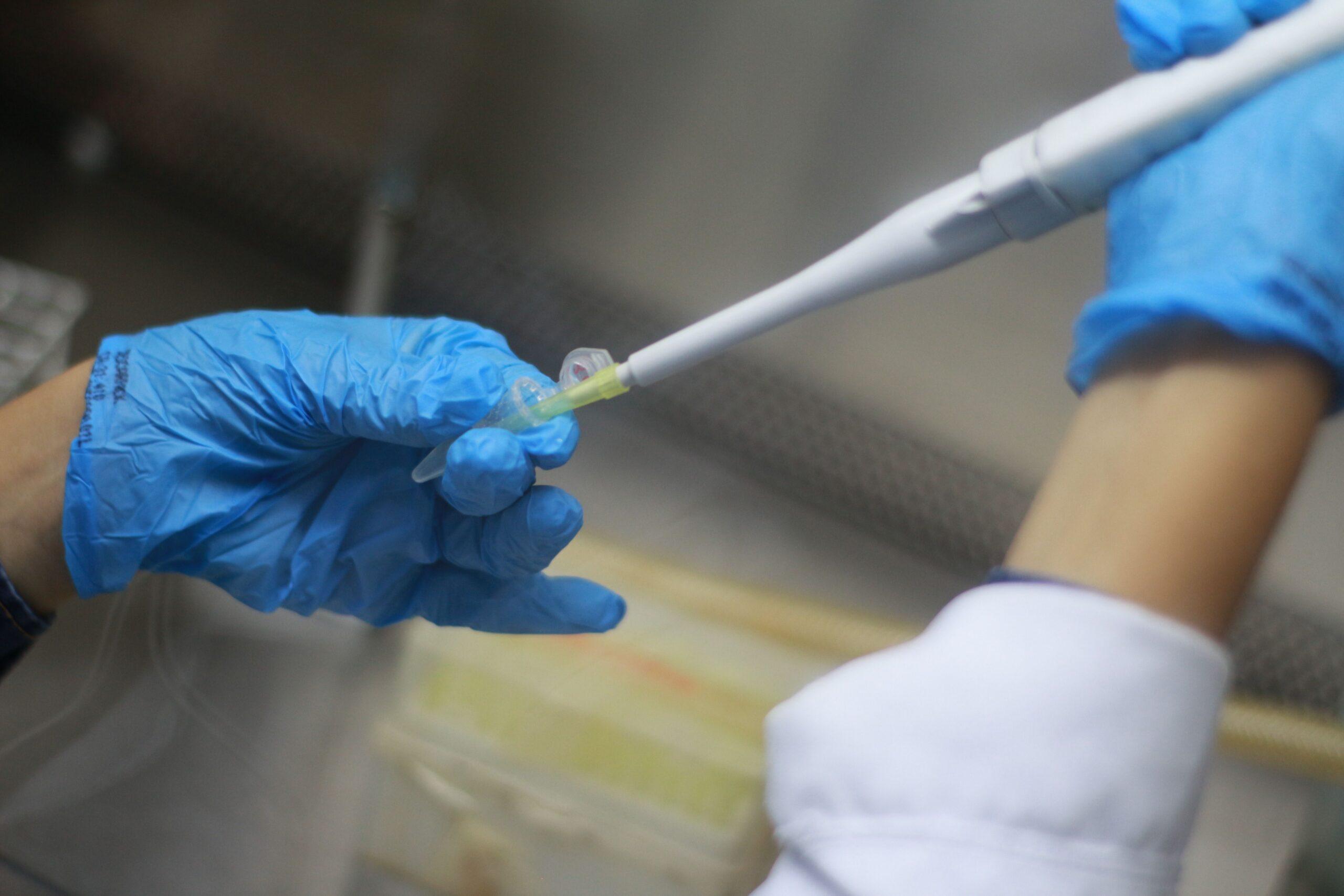
In addition to direct job losses from cuts to government agencies and federal scientific funding and support, the loss of federal programs threatens to further shrink the American scientific workforce over time by disrupting the training, recruitment and retention of future researchers. A decrease in the availability of research talent would slow innovation and reduce economic growth.
Federal science cuts affect a key source of funding for universities, which play an essential role in scientific career pipelines. Training for the next generation of researchers is already being impacted by federal disruptions: Major research universities admitted 15% fewer Ph.D. students for fall 2026 compared to fall 2025, a decrease partially attributed to changes in federal funding.
The environment of uncertainty created by federal disruptions also risks a “brain drain” of skilled researchers choosing to no longer work in the country. Data from Nature indicates that some brain drain has already occurred. In March 2025, as the administration began cutting science programs, there was a 41% decrease in applications to scientific roles in the U.S. from Europe and a 32% increase in applications from U.S. researchers to positions in Europe.
The disruptions to science programs also have significantly diminished the employee experience at federal scientific agencies, harming the government’s ability to attract and retain scientific talent in the future. According to the Partnership’s 2025 Public Service Viewpoint Survey, 58.5% of employees at NASA and 62.9% of those at the National Science Foundation reported significant declines in their engagement with work compared to 2024. The employees of these major scientific agencies also reported low levels of trust in their political leadership, with only 11% of the workforce at NASA and 11.7% of those at the NSF reporting high levels of trust.
The Broader Impact of Federal Science Jobs and Funding

Beyond directly supporting hundreds of thousands of jobs, federal science investment also leads to benefits for the broader economy over time. Federal science programs produce innovations that increase economic productivity and grow the American economy.
Approximately 25% of U.S. productivity growth since World War II has been the result of federal non-defense R&D spending. This increased productivity is an important driver of economic growth and rising standards of living. When looking at the benefits of research funding over the 30 years after investment, each additional dollar of non-defense R&D spending today is equivalent to a greater than $3.50 increase in present Gross Domestic Product. Additionally, there is reason to believe that federal investments in science may promote social mobility over the long run as areas with greater scientific innovation activity tend to demonstrate higher rates of economic mobility.
Conclusion

Cuts to federal science jobs and funding have impacted services to the public, disrupted research and affected a wide variety of jobs across industries and levels of government.
Haphazard cuts to the federal workforce have reduced the staff of scientific agencies with responsibilities such as protecting public health, preserving public lands and predicting and preparing for natural disasters. Changes to federal funding for science also have impacted jobs across state and local governments, universities and the private sector, each of which play a key role in the overall scientific ecosystem.
Beyond disrupting the current scientific workforce, these changes may continue to be felt far into the future as federal funding cuts increase the uncertainty of scientific careers and decrease the opportunities available for training new scientists responsible for the next generation of scientific discovery and innovation.