
In 1789, the United States government was formed with only three Cabinet-level agencies: the departments of State, Treasury and War (later renamed the Department of Defense before the Trump administration reverted to the older language). At that time, the country had a population of less than 4 million people, and the three departments were created to handle the most critical roles of a new republic.
Since then, the country’s size and needs have grown tremendously. Accordingly, the federal government has also needed to adapt to ensure the nation is better prepared to handle the challenges of both today and tomorrow.
Regardless of its size, the federal government must have the capacity to identify and address new problems as they emerge. Doing so is paramount to solving the problems that most impact the public.
The following examples illustrate a few of the many times the federal government has evolved to better serve the public and respond to emerging issues.
1862 – Department of Agriculture
The Department of Agriculture was created by Abraham Lincoln at a time when over half of Americans were directly or indirectly involved in farming and cultivation activities.
USDA originally focused on conducting agricultural research and collecting agricultural statistics. Today, the agency provides farmers with loans and disaster assistance, monitors food safety, administers nutrition assistance programs and conducts research to improve productivity and sustainability.
1916 – National Park Service
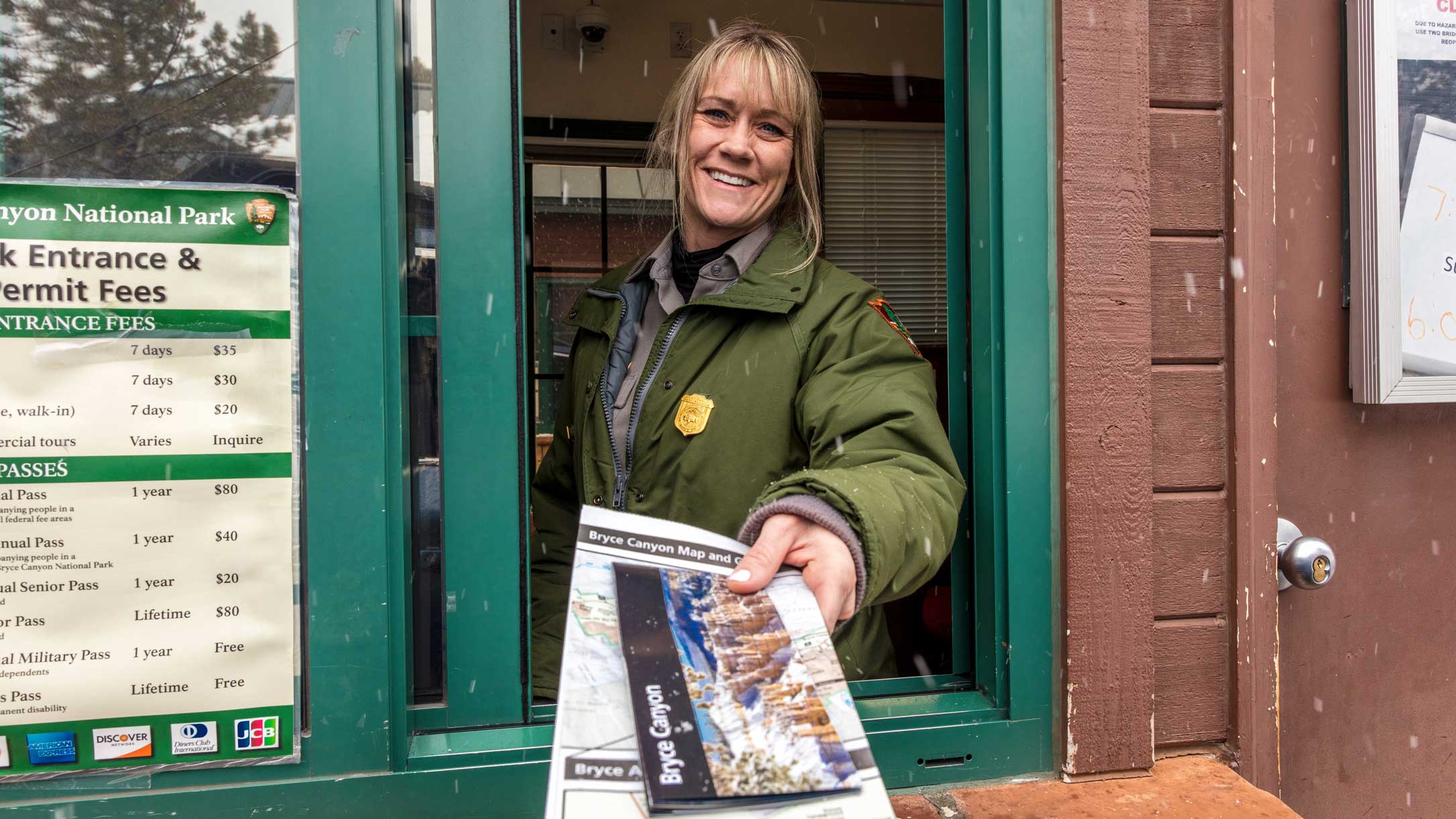
The National Park Service was created in 1916 to centralize management of the country’s 35 existing national parks and monuments, with a mission to conserve land for public use and recreation.
NPS sprung from a growing concern that our natural resources were being exploited, risking wildlife and threatening the environment. Over time, it has designated more land as a national park, monument or preserve, and today, the agency employs a broad swath of researchers, rangers and conservationists who protect 85 million acres of historical sites and natural landscapes.
1946 – Centers for Disease Control and Prevention
The Centers for Disease Control and Prevention traces its origins to 1942, when the Office of Malaria Control in War Areas launched to prevent malaria from spreading as the country prepared to enter World War II.
After the war, the office expanded its work beyond malaria control. Today, the CDC monitors diseases in the United States and abroad, studies public health issues like vaping and maternal mortality, and informs public health and disease prevention policy.
2011 – Consumer Financial Protection Bureau
The Consumer Financial Protection Bureau was created as a direct result of the 2008 Recession to ensure the fair treatment of American consumers by banks and other financial institutions. An independent agency, CFPB works to ensure that Americans have access to “fair, transparent and competitive markets for consumer financial products and services.”
The CFPB’s work has led to over $21 billion in consumer relief and $5 billion in penalties imposed on companies and individuals that break the law. In 2025, the Trump administration attempted to shutter the CFPB; its operating status remains under political and legal debate.
From agricultural development in the 19th century to consumer protection today, the history of these agencies demonstrates a recurring pattern in American history: As new challenges emerge, our federal government has adapted to meet them. Whether big or small, government’s role is to serve the public good, and these moments reflect an effort to ensure a more healthy, safe and prosperous future for the nation.