

The bill was headed for a vote when the agency finally weighed in. The legislation had been written, negotiated and revised without input from the people who would be implementing it. Now, they were voicing concerns, some serious enough to jeopardize the bill’s intended outcome, and there seemed to be no time left to address their issues.
If you have worked on Capitol Hill or in a federal agency, you probably lived some version of this story. I’ve experienced it from multiple seats, as an advocate outside government, a congressional committee staffer and an agency congressional affairs leader. Each role reinforced the same lesson. Writing legislation is hard. Passing it can feel impossible. But making sure it works once it becomes law is arguably the hardest part and often gets the least attention.
One of the most effective tools to address that last challenge often flies under the radar—the technical assistance process. TA is how congressional offices and committees get expert feedback from agencies on draft legislation the executive branch will implement if signed into law. Done well, it allows drafters to ask questions that separate a good idea from a workable law. Will this language produce the intended outcome? Can it operate within existing structures or will it fail without broader change? What resources are needed? In short, TA is a critical step in transitioning a policy concept into tangible action.
Yet, for all its importance, the TA process is rarely taught to incoming congressional staff, perhaps in part because the process surrounding it is not consistent or well understood. Agency staff juggle competing priorities that often keep them from contributing until a bill is nearly finished and when their feedback is least useful. In some cases, they may be actively discouraged from engaging even though they are the ones who have the expertise and will be asked to implement the legislation if passed.
I’ve been the congressional staffer frustrated by a nonresponsive agency. I have also been the agency congressional affairs liaison who has had to scramble as the final negotiated text moves toward a vote without agency input. An alternative to this disaster scenario is to use the TA process to foster cross-branch communication that builds implementable legislation. This is why the Partnership for Public Service and the Niskanen Center partnered to write Reading the TA Leaves: How Technical Assistance Can Improve the Odds of Successful Policy Implementation.
This report is intended as a practical tool for congressional staff to define and map the TA process and offers a checklist to help staffers navigate it more effectively.
Too often when considering legislation, the executive and legislative branches work on different timelines with varying priorities and distinct definitions of success. But when deployed well, the TA process can better align these branches by improving communication and creating a shared understanding of challenges and desired outcomes while addressing foreseeable issues before it’s too late.
We interviewed current and former staff in both branches and developed a map of the unwritten TA process that most people navigate by memory and through relationships. The report also distinguishes the three kinds of feedback agencies might provide (policy, implementation and political) and explains the importance of asking for the right one(s). Finally, it also lays out the incentives and capacity limits on each side to help staff from both branches better understand the challenges and motivations of their counterparts.
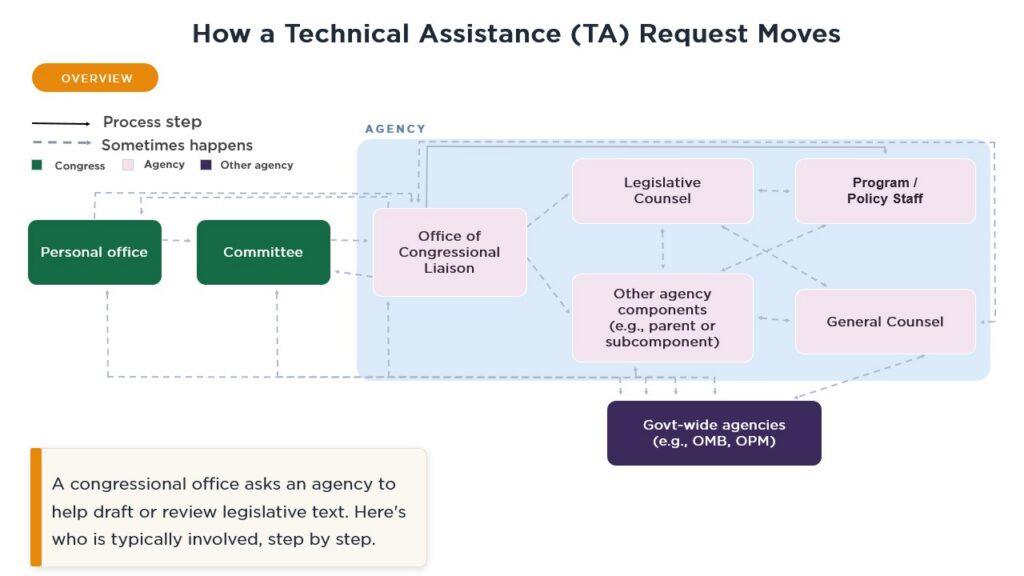
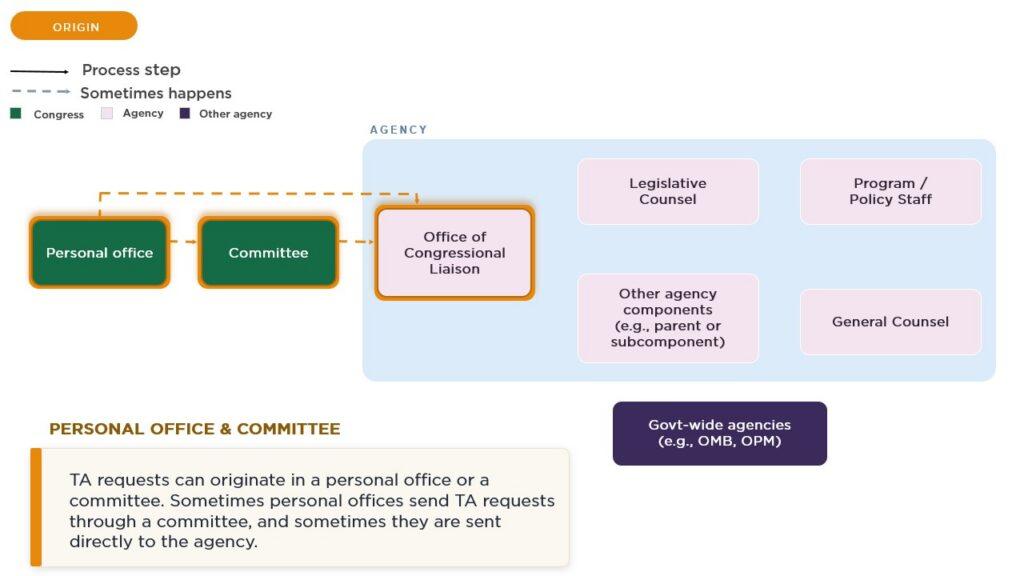
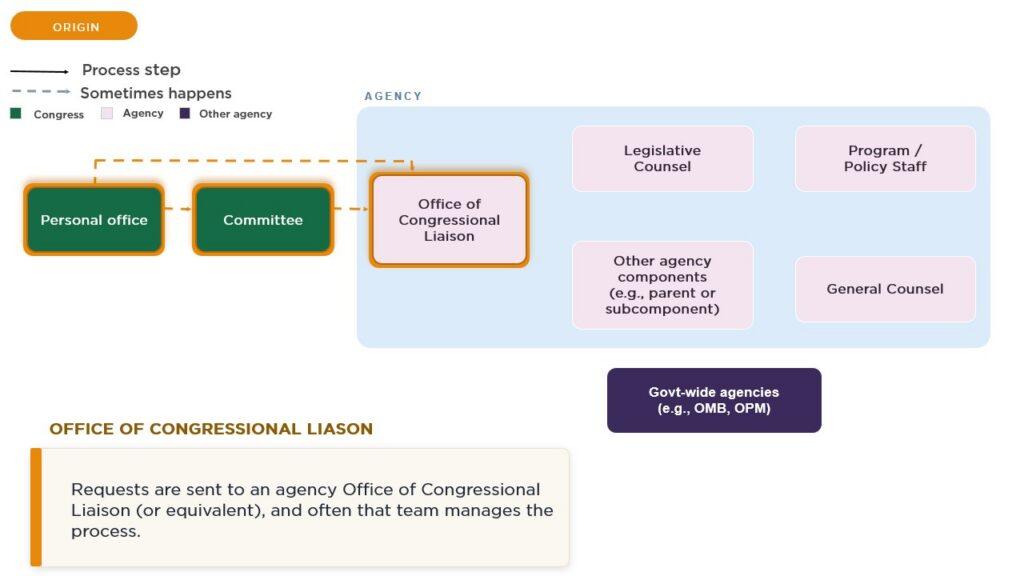
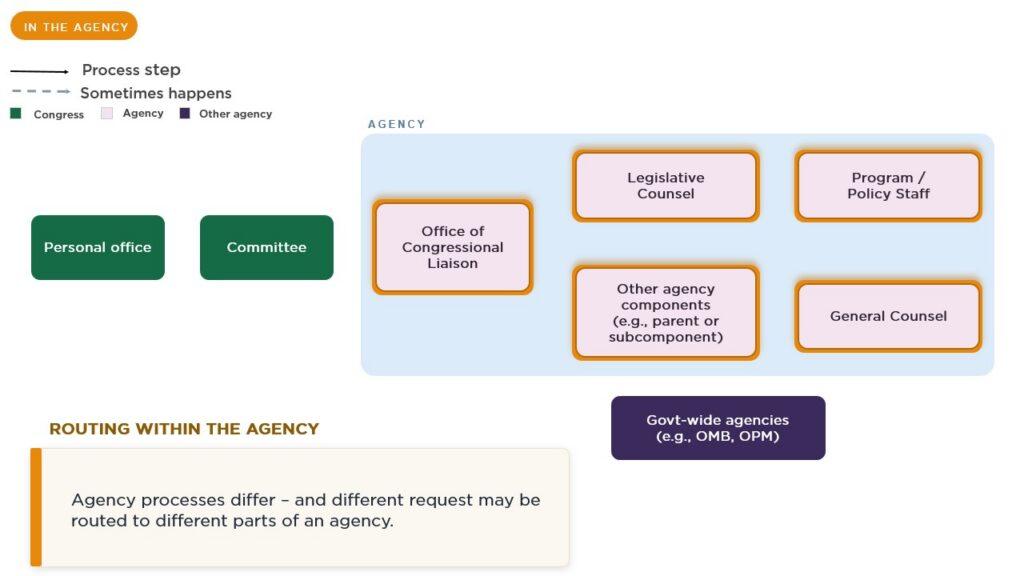
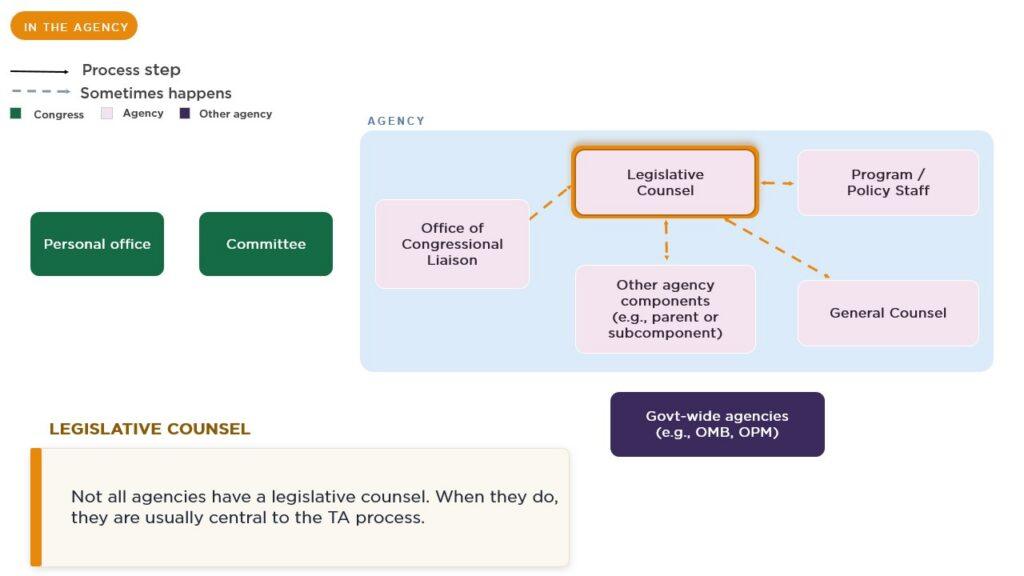
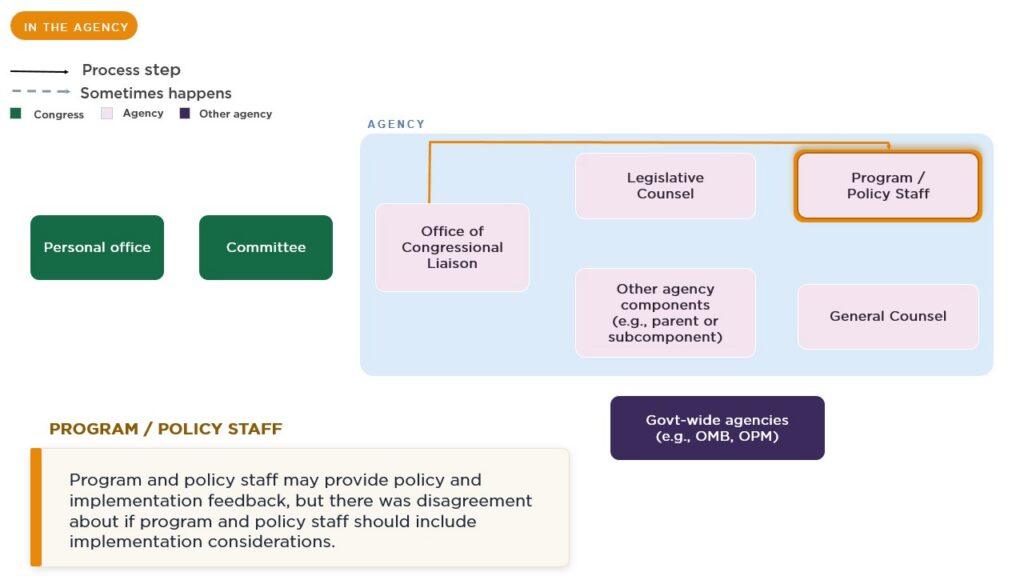
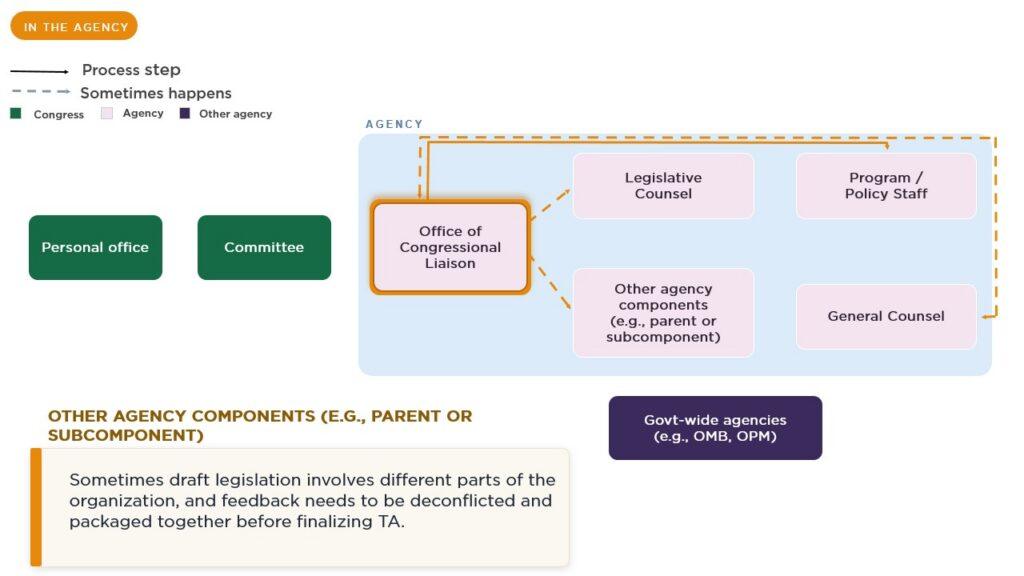
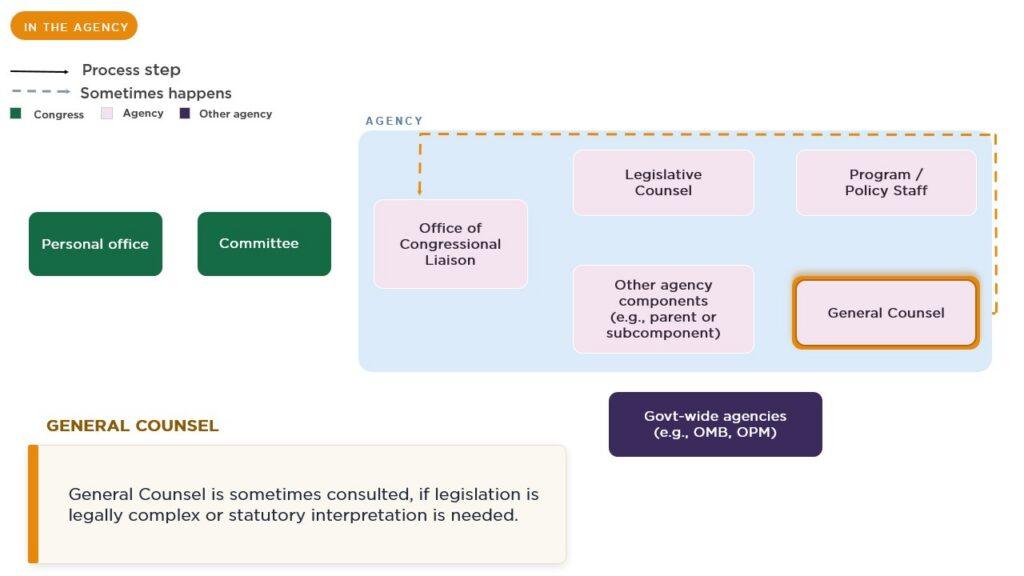
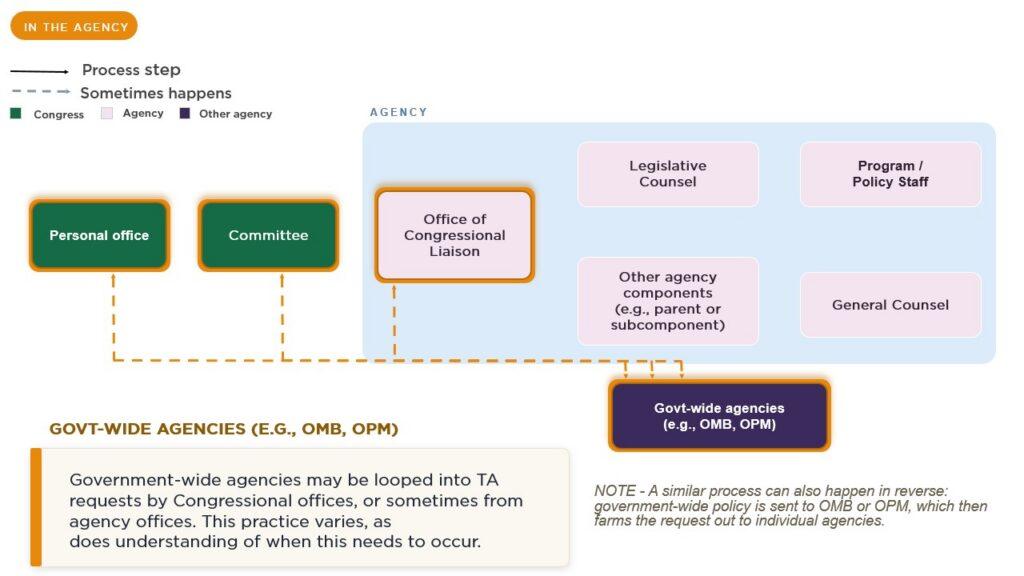
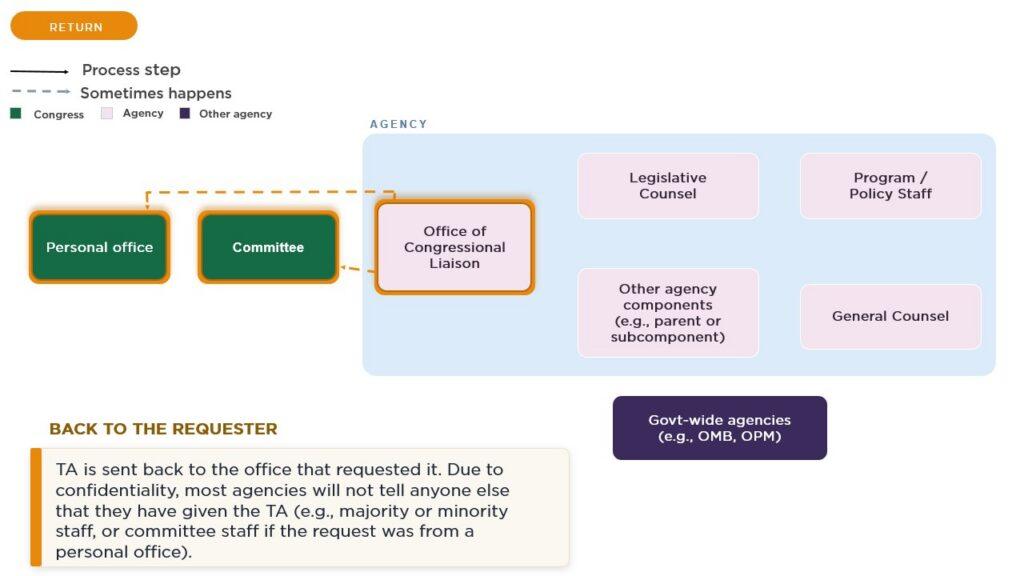
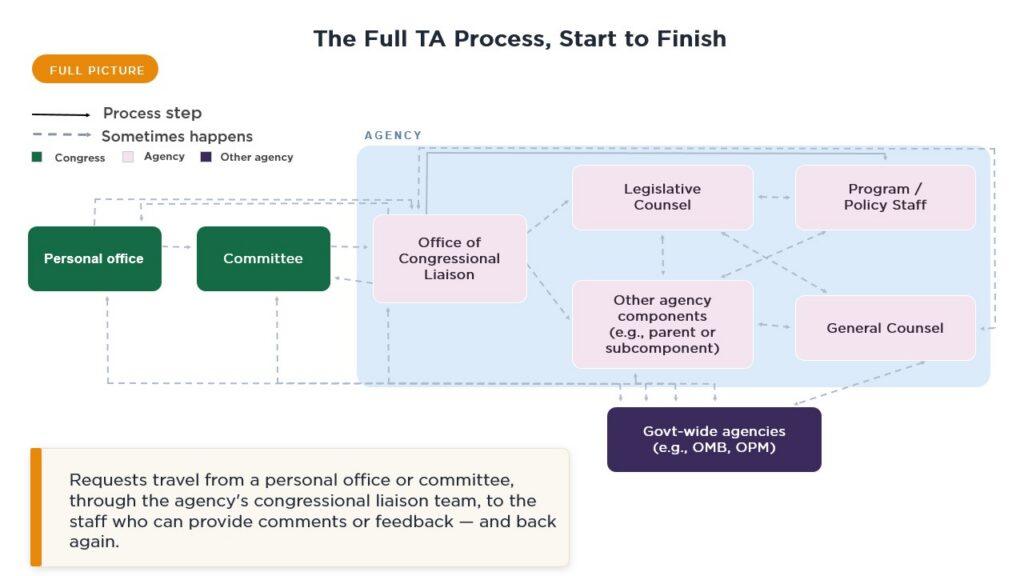
If you are a congressional staffer, read it before your next TA request. If you work in an agency, read it to understand what congressional staff need and how best to engage. If you are an external advocate, read it to understand the feedback loop a proposal will likely travel through. And if you are a reform-focused group like us, read it to consider the foundations that may need to be addressed to improve Legislative-Executive Branch collaboration.
Right now, too much of the TA process works like reading the tea leaves: staff on both sides interpret ambiguous signals and hope they guessed right. It doesn’t have to work this way.
This report focuses on navigating the process better, providing practical insights and best practices. Next, the Partnership and Niskanen plan to examine reforms both branches can pursue so that TA reaches its full potential: a way for Congress and the executive branch to build solutions that truly deliver for the public.
Learn more about the Partnership’s Government for a New Era initiative, which seeks to develop practical, bold reforms for a more effective, responsive and accountable government.